Endpoint Security for Banks and Credit Unions
Endpoint security plays a critical role in protecting banks and credit unions from modern cyber threats. While firewalls and network defenses remain important, attackers increasingly target laptops, desktops, servers, and mobile devices as their primary entry point.
For financial institutions, endpoint security is not just an IT concern. It is a core component of risk management, regulatory compliance, and customer trust. This article explains how endpoint security applies to banks and credit unions, why it matters, and what effective protection looks like in a regulated financial environment.
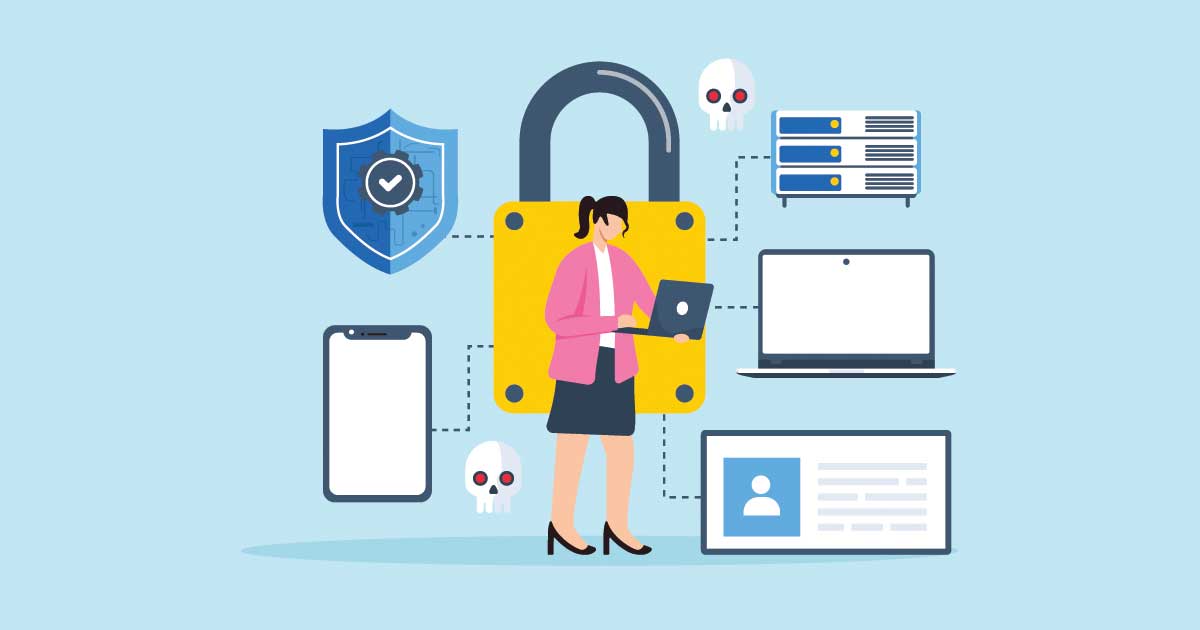
How Endpoint Security Protects Financial Institution Devices
Endpoint security protects the devices that employees use every day to access financial systems, customer data, and internal applications. By continuously monitoring laptops, desktops, servers, and approved mobile devices, endpoint security helps detect malicious behavior early and prevent threats from spreading across the organization.
For banks and credit unions, this protection is critical to reducing exposure from phishing, credential theft, ransomware, and other attacks that often begin at the device level rather than the network perimeter.
Modern endpoint security focuses on identifying suspicious activity, enforcing security policies, and responding automatically when risk is detected. This approach helps financial institutions secure devices without relying solely on perimeter defenses.
Why Endpoint Security Is a High Priority in Financial Services
Banks and credit unions face unique cybersecurity risks due to the sensitivity of the data they manage and the regulatory requirements they operate under. Endpoint security is especially important for several reasons.
Cybercriminals frequently target employees through phishing and social engineering rather than attempting to break into hardened networks. Endpoints often access or store sensitive financial and customer information. A single compromised device can expose account data, credentials, or internal systems.
Regulatory bodies expect financial institutions to maintain strong controls over endpoint protection, monitoring, and incident response. In addition, endpoint related incidents such as ransomware can directly impact operations, branch availability, and customer confidence.
Common Endpoint Security Risks in Banks and Credit Unions
Financial institutions face several endpoint specific risks that basic antivirus tools are no longer sufficient to mitigate. The most common risks include:
Phishing and credential theft
Phishing remains the most common entry point for attacks. Many incidents involve stolen credentials rather than obvious malware, allowing attackers to access systems using legitimate user accounts.
Unpatched operating systems and applications
Endpoints running outdated software are vulnerable to known exploits. Attackers frequently target these weaknesses before patches are applied.
Remote and hybrid work environments
Devices connecting from home networks or off site locations expand the attack surface and introduce inconsistent security controls.
Privileged user endpoints
Devices used by administrators and finance leaders carry higher risk. If compromised, attackers can move laterally through systems with minimal resistance unless strong endpoint monitoring is in place.
Regulatory Expectations for Endpoint Security in Financial Institutions
Regulators do not mandate specific endpoint security products, but they do expect financial institutions to demonstrate effective controls, oversight, and risk management. Endpoint security programs should clearly show consistency, visibility, and accountability across all devices.
Examiners commonly expect financial institutions to be able to demonstrate the following:
Centralized endpoint management
All endpoints should be managed through a centralized platform to ensure consistent security controls and policy enforcement.
Continuous monitoring and alerting
Institutions should monitor endpoint activity for suspicious behavior and generate alerts that support timely investigation and response.
Documented patching and configuration processes
Processes for updating operating systems, applications, and security configurations should be clearly documented and consistently followed.
Incident detection and response capabilities
Endpoint security should support rapid detection, containment, and investigation of security events involving user devices.
Audit logs and reporting
Institutions should retain logs and reports that demonstrate regular review, issue resolution, and compliance with internal policies.
Essential Components of an Effective Endpoint Security Strategy
For banks and credit unions, endpoint security works best when it protects people doing their jobs without getting in the way.
That starts with stopping obvious threats like malicious files, unsafe links, or infected attachments before they reach employee devices. When something suspicious does occur, the institution needs insight into what is happening on that device so issues are detected early, not after systems or data have already been impacted.
Security teams also need a reliable way to see every device that attempts to connect to the environment, whether it is in a branch, at a home office, or used by a third party. That visibility allows the team to confirm which laptops and workstations belong to the institution, which users are signed in, and whether those devices meet basic security expectations.
From a practical standpoint, this means knowing if a device is missing updates, if security software is disabled, or if a device that should not have access is trying to reach sensitive systems. When that visibility is missing, risky devices blend in with trusted ones. When it is in place, security teams can block access, isolate a problem device, or fix issues before they turn into a security incident.
Keeping operating systems and applications updated is another critical component. Many successful attacks rely on weaknesses that are already known and could have been prevented with timely updates. A consistent patching process reduces this risk without relying on employees to take action on their own, which is why many financial institutions rely on patch management services to maintain security and compliance across devices.
Finally, endpoint security should work alongside email protection, identity controls, and security monitoring tools. When these systems share information, financial institutions gain clearer context, respond faster to incidents, and reduce the likelihood that a single compromised device turns into a larger operational disruption.
How Endpoint Security Connects to Broader Security Programs
Endpoint security does not operate in isolation. For banks and credit unions, it is most effective when it is part of a coordinated security program that addresses how attacks start, how they are detected, and how teams respond.
Endpoint protection is often closely connected to the following security capabilities:
- Managed Detection and Response: continuous security monitoring that helps identify and respond to suspicious activity across endpoints and other systems.
- Incident Response Planning: documented preparation that ensures teams know how to respond quickly and consistently when a security event impacts devices or systems.
- Email Security and Phishing Protection: controls designed to reduce the most common attack path that leads to endpoint compromise.
- Identity and Access Management: policies and controls that limit what users and devices can access, even if credentials are compromised.
Together, these capabilities strengthen endpoint security by reducing exposure, improving visibility, and supporting faster, more confident response when issues arise.
How Endpoint Security Strengthens Incident Response Readiness
Endpoint security plays an important role during security incidents. When an event occurs, endpoint tools provide insight into how the threat entered the environment, which devices were affected, and what actions were taken.
This visibility allows financial institutions to contain threats more quickly, limit operational disruption, and meet regulatory expectations for investigation and reporting. Endpoint data is often essential for understanding scope and reducing recovery time.
Institutions without strong endpoint monitoring often face longer downtimes and greater regulatory scrutiny following an incident.
How Louisville Geek Supports Endpoint Security for Financial Institutions
Louisville Geek works with banks and credit unions to design and manage endpoint security programs that align with financial services risk, compliance requirements, and business operations.
Our team helps deploy and manage enterprise grade endpoint protection, enforce consistent policies across devices, and integrate endpoint security into a broader cybersecurity strategy. We focus on reducing risk while maintaining usability for employees and administrators.
Endpoint security is not just about deploying software. It is about process, visibility, and preparedness when an incident occurs.
If your financial institution is evaluating its endpoint security posture or preparing for regulatory review, Louisville Geek can help identify gaps and strengthen your overall security strategy. Learn how Louisville Geek supports financial institutions with security focused managed IT services by contacting our team.