What Your Business Should Know About the Rise in Email Spoofing
Email Spoofing Attacks Are Targeting More Businesses Than Ever
Over the past several months, our security team at Louisville Geek has observed a noticeable uptick in spoofing emails targeting the businesses we support. These are not the obvious, poorly written scams of years past. They are polished, personalized, and increasingly difficult to distinguish from legitimate business communication.
We are sharing what we are seeing because awareness is one of the most effective tools a business can have.
What Is Email Spoofing and How Does It Work
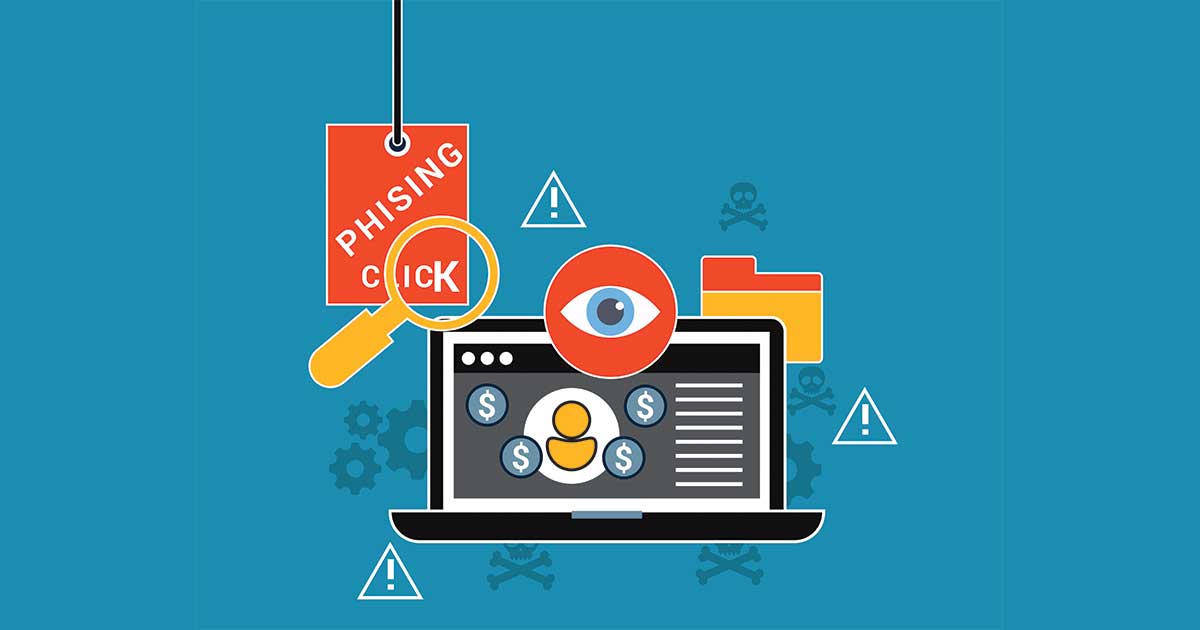
Email spoofing is a technique where a sender forges the “From” field of an email to make it appear as though the message is coming from a trusted source. That source could be a vendor, a colleague, a bank, or even your own CEO.
The goal is simple, to trick the recipient into taking action. That might mean clicking a link, opening an attachment, wiring funds, or sharing login credentials. Because the email looks like it is coming from someone you know or do business with, it bypasses the instinct to question it.
Spoofing is different from a full account compromise. In many cases, the attacker does not actually have access to the sender’s email account. They are simply disguising their identity to exploit trust.
How AI Is Making Spoofing Emails More Sophisticated
What makes today’s spoofing emails more effective is not just volume. It is sophistication.
- AI-generated content now powers the majority of phishing emails. Industry data shows that more than 80% of phishing emails detected in recent months were AI-generated, producing grammatically clean, professionally written messages with no obvious red flags.
- Personalization at scale. Attackers use publicly available data from LinkedIn profiles, company websites, and social media to tailor messages to specific recipients, referencing real names, job titles, projects, and business relationships.
- Business Email Compromise (BEC) tactics. Rather than leading with a direct ask, many spoofed emails begin with a casual message like “Are you available?” or “Quick question.” The goal is to start a conversation that builds trust before a fraudulent request is introduced.
- QR codes and new delivery methods. Attackers are embedding malicious links inside QR codes, PDFs, and even collaboration tools like Teams and SharePoint, bypassing traditional text-based email filters.
- Speed of execution. The median time it takes for someone to click a phishing link after receiving it is just 21 seconds.
These are not random, mass-distributed messages anymore. They are targeted, well-researched, and designed to blend into your normal business workflow.
The Business Consequences of a Successful Email Spoofing Attack
The consequences of a successful spoofing attack extend well beyond a single compromised inbox.
- Financial loss. The FBI reported $2.77 billion in business email compromise losses in 2024 alone, with an average loss per incident exceeding $160,000.
- Data exposure. A single set of stolen credentials can give an attacker access to email, cloud storage, client records, and internal systems.
- Compliance violations. For businesses in regulated industries like healthcare, financial services, and legal, a breach resulting from a spoofed email can trigger reporting requirements, fines, and reputational damage.
- Operational disruption. Investigating and recovering from an email-based attack takes an average of 261 days to fully identify and contain, pulling resources away from day-to-day operations.
- Erosion of trust. When a spoofed email appears to come from your business, your clients, partners, and vendors may question the security of working with you.
These are not hypothetical risks. They are playing out across industries every day, and small to mid-sized businesses are increasingly in the crosshairs because attackers know they often have fewer layers of protection in place.
How a Managed IT Provider Protects Your Business from Email Spoofing
This is where working with a managed IT provider that prioritizes email security makes a real difference. Rather than placing the burden of identifying threats on your team, the right partner builds a security environment where threats are caught before they ever reach an inbox.
How Check Point Harmony Email and Collaboration Stops Spoofing
At Louisville Geek, we deploy Check Point Harmony Email and Collaboration as a core layer of protection for our clients. Here is what that means in practice:
- AI-powered detection that analyzes over 300 signals per email, including sender behavior, metadata, links, and attachments, to identify spoofing and phishing attempts in real time.
- Pre-delivery enforcement that blocks malicious emails before they reach the inbox, not after. This is the gold standard in email security and a key differentiator from tools that only scan messages after delivery.
- Account takeover prevention that monitors login behavior and flags anomalies, stopping attackers from using compromised credentials to send spoofed messages from within your organization.
- QR code and link protection that rewrites and inspects URLs at the time of click, ensuring that even delayed or embedded threats are caught.
- Protection across your full collaboration suite, including Microsoft 365, Teams, SharePoint, and OneDrive, so security extends beyond the inbox.
How SPF, DKIM, and DMARC Prevent Email Spoofing
Most of the conversation around email spoofing focuses on the messages coming into your inbox. But there is another side to it that many businesses overlook. Attackers can use your domain to send fraudulent emails to your clients, vendors, and partners.
This is where DNS-level email authentication plays a critical role. Three protocols, known as SPF, DKIM, and DMARC, work together to verify that emails sent from your domain are actually coming from authorized sources.
- SPF (Sender Policy Framework) tells receiving mail servers which systems are authorized to send email on behalf of your domain. If an email comes from a server that is not on the approved list, it gets flagged or rejected.
- DKIM (DomainKeys Identified Mail) attaches a cryptographic signature to every outgoing email, allowing the recipient’s server to confirm the message has not been altered in transit.
- DMARC (Domain-based Message Authentication, Reporting and Conformance) ties SPF and DKIM together and tells receiving servers what to do when a message fails authentication: allow it, quarantine it, or reject it outright.
When these records are properly configured and enforced, an attacker who tries to send a spoofed email using your domain will have that message blocked before it ever reaches the recipient’s inbox.
The challenge is that many businesses either do not have these records in place or have them configured at a monitoring-only level that does not actually stop anything. Without proper enforcement, your domain can be used as a weapon in attacks you may never even know about. That puts your reputation, client relationships, and compliance posture at risk.
A managed IT partner should be configuring, monitoring, and maintaining these records as part of your overall email security strategy. At Louisville Geek, this is built into how we manage your environment. We ensure your DNS records are properly set up, regularly reviewed, and aligned with best practices so your domain is protected from misuse.
Why Security Awareness Training Is Essential for Email Protection
Technology catches the vast majority of threats, but your people are an equally important layer of defense. That is why we pair Check Point’s email security with integrated security awareness training.
- Automated phishing simulations generated from real-time threat intelligence, so your team is tested against the same tactics attackers are actually using right now.
- Ongoing micro-training that keeps security top of mind without disrupting productivity.
- Measurable results. Organizations with comprehensive security awareness training reduce phishing susceptibility to under 5%.
Training is not about blaming employees for clicking a link. It is about giving your team the confidence to recognize something that does not look right and the tools to report it quickly.
Why Proactive Email Security Monitoring Matters
When our security team identifies a trend, like the spoofing uptick we are seeing now, we do not wait for an incident to respond. We review detection policies, adjust filtering rules, communicate with our clients, and ensure the tools in place are tuned to the current threat landscape. That is the value of having a dedicated team watching your environment around the clock.
Building a Stronger Email Security Foundation for Your Business
Email will continue to be the primary way businesses communicate, and attackers will continue to target it. The good news is that the combination of advanced email security, DNS-level domain protection, consistent training, and proactive management creates a strong foundation that keeps your business protected and your team focused on the work that matters.
If you are interested in learning more about how Louisville Geek approaches email security, or if you would like to see what threats may already be present in your environment, contact Louisville Geek and our team will follow up.
About Louisville Geek
Louisville Geek is a flat-fee managed IT provider based in Louisville, Kentucky, serving businesses across healthcare, financial services, manufacturing, legal, and professional services. As the 2024 Check Point MSSP Partner of the Year, Louisville Geek delivers enterprise-grade security, compliance support, and responsive service to growing organizations across the region.